

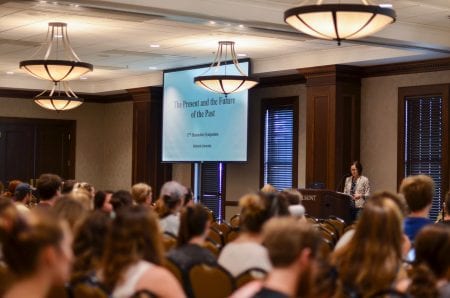
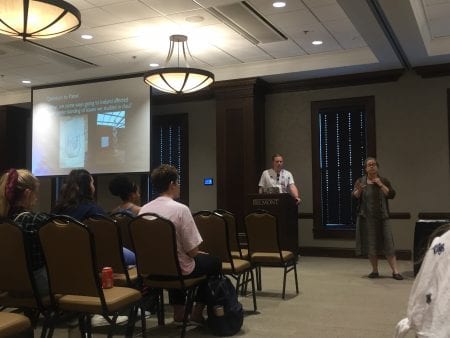
On Wednesday, September 19 Belmont hosted a featured speakers panel discussion as part of the 17th Annual Humanities Symposium “The Present and the Future of the Past.” The panel included Dr. Gregory Hansen, professor of English and folklore at Arkansas State University, Dr. Martha Norkunas, professor of oral and public history at Middle Tennessee State University and Greg Reish, director of the Center of Popular Music and professor of music history at Middle Tennessee State University. The guest speakers spoke of the relationship between oral history, folklore and folk music.
Hansen started discussion by sharing his background and interest in folklore. He said that looking at ideas and stories of folklore and urban legends can reveal fears and truths in modern life. “Folklore is a contemporary form of traditional culture that is part of modern life with an interesting history.”
Reish shared the differences between musicologists and ethnomusicologists. He said musicologists tend to do most of their work in libraries and archives, looking at musical scores with a traditional methodology. “Ethnomusicologists, however, are scholars who do their work primarily in the field, studying music of a particular community, culture or group of people in a certain place.” Hansen added that a lot of ethnomusicologists also become involved in historic preservation as a whole range of music ideas have a visceral feel of buildings and the body of the past.
Hansen concluded by sharing that connections can be made between history and music by speaking to old musicians. “If you find a good storyteller, that musician may have a vivid memory of the history of music and folklore.” Reish provided an example of Bluegrass musicians and fans living through the past through music. The speakers were introduced by Belmont professor of Italian, Francesca M. Muccini.
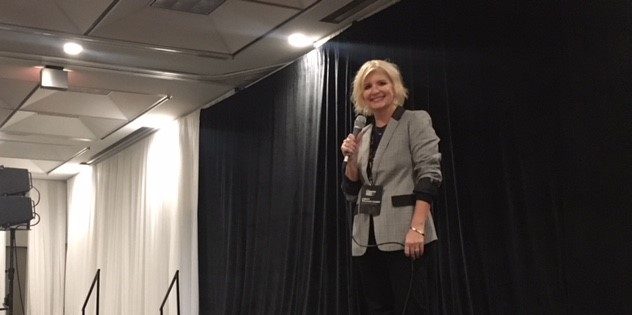
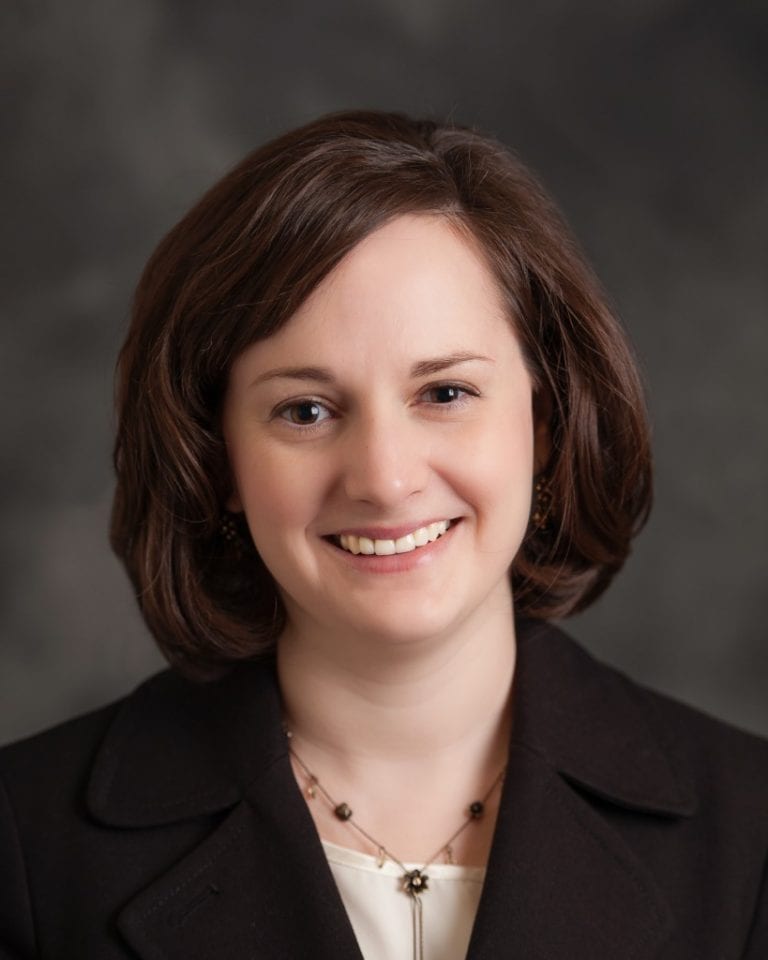
 Assistant Professor of Musicology Dr. Virginia Lamothe was recently elected as Secretary of the Society of Seventeenth Century Music . The Society is an international society dedicated to the study and performance of seventeenth-century music and related arts.

 At this year’s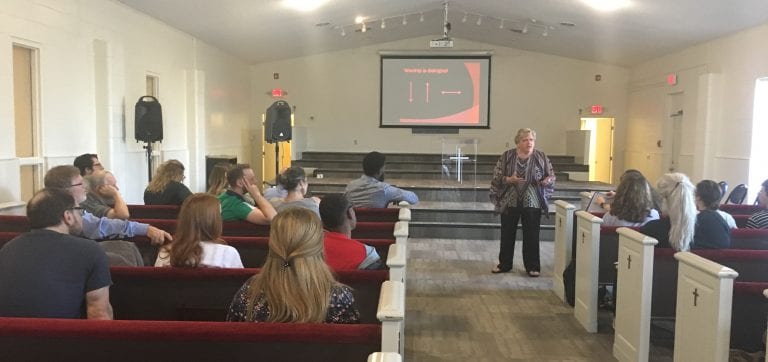
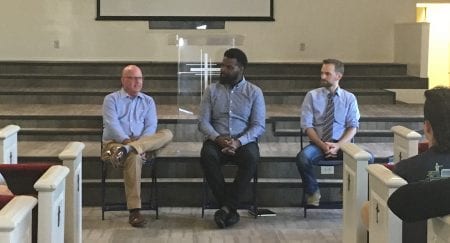 There will be a number of activities as part of the project, including a series of approximately six events that will include a keynote speaker, a panel response, small group discussion and practical next steps for those who plan worship. The first event in this series, a conversation on “Why We Worship?” with Rev. Dr. Constance Cherry, was held Tuesday in the Belmont Ministry Center. A professor of worship at Indiana Wesleyan University and a faculty member for the Robert E. Webber Institute for Worship Studies, Dr. Cherry is a published composer, the author of many hymn texts and a frequent speaker, teacher and preacher.
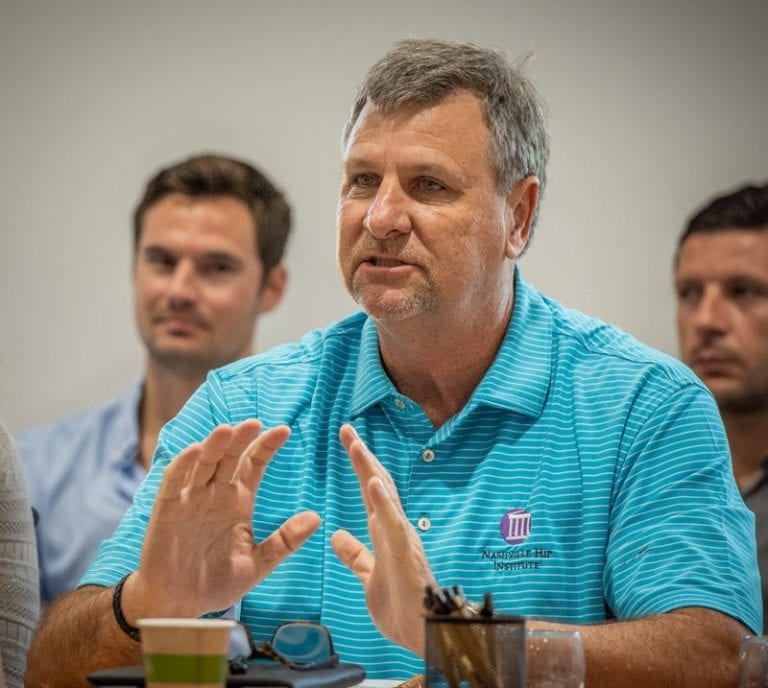
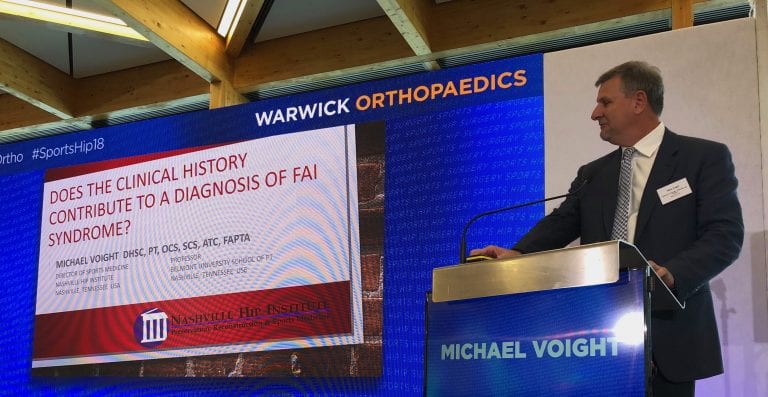
 In August, Professor of Physical Therapy Dr. Mike Voight participated in the Warrick Medical Consensus Group that serves to establish world-wide guidelines in the diagnosis, management and rehabilitation of hip injuries. Most specifically, the Group works closely with the UK National Health trust to establish treatment guidelines.